Spot and Avoid Spammy Pinterest Tactics (A Blogger’s Guide for Long-Term Growth)

When Pinterest traffic suddenly drops or an account stops growing, many bloggers assume the algorithm is “broken.”
In reality, Pinterest is usually responding to spammy behavior — often unintentionally caused by bloggers following outdated or shortcut strategies.
For women bloggers and moms building blogs for the long term, avoiding spammy Pinterest tactics is not optional. It’s the difference between steady growth and accounts that quietly stall.
Why Pinterest Is Strict About Spam
Pinterest’s core goal is simple:
Show users helpful, trustworthy content they actually want to save and revisit.
Anything that:
- manipulates clicks
- overwhelms feeds
- misleads users
- prioritizes volume over value
gets flagged — even if it once “worked.”
Pinterest now favors clean, intentional pinning over aggressive tactics.
What Pinterest Considers Spammy Behavior
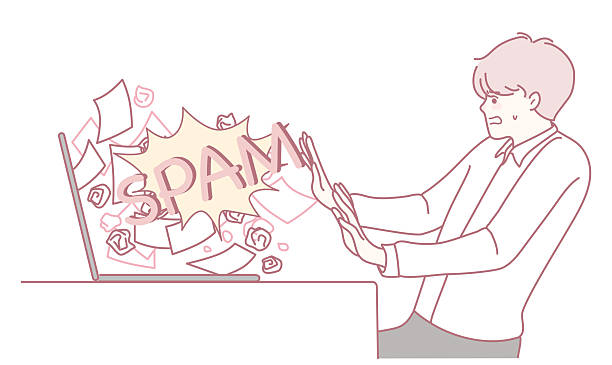
Spam on Pinterest doesn’t always look obvious.
It often shows up as:
- repetitive pinning
- low-effort automation
- misleading pin titles
- mass board dumping
Most bloggers don’t mean to spam — they’re just following outdated advice.
Common Spammy Pinterest Tactics Bloggers Should Avoid
1. Pinning the Same Design Repeatedly
Using the exact same pin image over and over:
- confuses Pinterest
- irritates users
- limits distribution
Pinterest prefers fresh visuals, not recycled duplicates.
You can pin the same blog post — but with different designs.
2. Overloading Boards With Irrelevant Content
Pinning content that doesn’t match a board’s theme sends mixed signals.
For example:
- blogging pins inside a “Home Decor” board
- affiliate pins unrelated to your niche
Pinterest relies heavily on board context.
Mismatch = reduced trust.
3. Misleading or Clickbait Pin Titles
Titles that promise something your post doesn’t deliver will hurt you.
Examples:
- “Make $10K Fast” for a beginner guide
- “Instant Traffic” when results take months
Pinterest tracks user behavior after the click.
If users leave quickly, Pinterest pulls distribution.
4. Excessive Automation Without Strategy
Automation itself is not the problem.
The issue is:
- pinning too frequently
- pinning without keyword strategy
- pinning without content alignment
Pinterest values intentional scheduling, not constant noise.
5. Joining Low-Quality Group Boards
Old group board strategies often:
- mix unrelated niches
- encourage mass pinning
- attract spam accounts
These boards can damage your account health rather than help it.
Pinterest now prefers topical clarity, not reach hacks.
Why Spam Hurts Bloggers More Than Influencers
Bloggers depend on:
- search visibility
- long-term content
- consistent traffic
Spammy behavior interrupts:
- trust signals
- content ranking
- future pin reach
Pinterest doesn’t “warn” you — it just stops distributing your pins.
That silence is costly.
Healthy Pinterest Behavior for Bloggers
Safe Pinterest growth looks like:
- pinning 5–15 pins per day
- using fresh designs
- staying within your niche
- matching boards to content
- using clear keywords
This approach feels slower — but compounds better.
How to Tell If Your Account Is Being Throttled
Signs include:
- sudden impression drops
- new pins not indexing
- saves but no clicks
- traffic declining across all pins
This usually signals a trust reset, not a permanent penalty.
How to Recover From Spam Signals
If you suspect spam issues:
- slow down pinning
- remove irrelevant boards
- stop duplicate designs
- audit pin titles
- focus on your best content
Pinterest responds well to cleaner behavior over time.
Why Pinterest Rewards Calm, Consistent Bloggers
Pinterest wants:
- educators
- planners
- creators
- problem-solvers
Not aggressive promoters.
Blogs that grow steadily often:
- pin less
- plan more
- publish intentionally
That’s good news for moms.
How This Fits a Blogging-First Strategy
When blogging leads:
- Pinterest supports content
- traffic aligns with intent
- monetization improves
Spam tactics try to replace substance.
Pinterest now actively filters that out.
Final Thoughts: Safe Pinterest Growth Is Sustainable Growth
Avoiding spammy Pinterest tactics is not about playing small.
It’s about:
- protecting your account
- respecting your content
- building traffic that lasts
Pinterest rewards bloggers who think long-term — and that mindset compounds quietly.